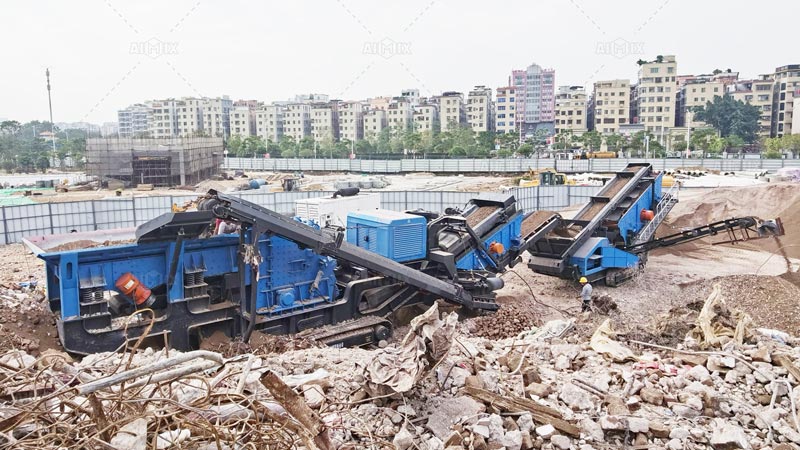
The foundation of any successful quarrying or mining operation lies in the strategic selection of machinery. As global infrastructure projects demand higher volumes of high-quality sand and gravel, the pressure on producers to optimize their workflow has never been greater. Choosing the right setup for an aggregate crusher plant(planta procesadora de agregados) involves more than just comparing horsepower or price tags; it requires a deep dive into material hardness, site logistics, and final product specifications. Whether you are building a permanent facility from the ground up or looking for the flexibility of a mobile stone crusher to handle multiple project sites, the equipment you choose today will dictate your operational costs and profit margins for years to come.
Before browsing equipment catalogs, a developer must define the scope of the project. The physical characteristics of the raw material—such as its compressive strength and abrasiveness—are the primary factors that narrow down your options for an aggregate crusher plant. Harder rocks like granite or basalt require different crushing forces than softer limestone or gypsum.
If your raw feed consists of highly abrasive river pebbles or hard mountain rock, a standard compression-based approach is usually necessary to prevent excessive wear. In these scenarios, a cone crusher is often the preferred choice for secondary or tertiary stages because it can handle tough materials while producing a consistent grain size. Conversely, for softer materials, impact-based crushing might provide a better cubical shape at a lower initial cost.
The location of your deposit plays a massive role in the selection process. If the resource is concentrated in one area for a decade of extraction, a stationary aggregate crusher plant is the most stable and high-capacity choice. However, if you are working on highway construction or urban recycling where the "quarry" moves as the project progresses, investing in a mobile stone crusher(trituradora de piedra móvil) becomes a necessity. These units allow you to process material directly at the source, drastically reducing the high costs associated with hauling raw stone to a central facility.
No single machine can efficiently turn a one-meter boulder into ten-millimeter aggregate. A well-designed aggregate crusher plant utilizes a series of machines working in harmony to reduce size while improving particle shape.
The first stage is all about size reduction. Most plants start with a robust jaw crusher to break down large rocks into a size that the secondary equipment can handle. At this stage, the goal is throughput. If you are using a mobile stone crusher for primary work, ensure the intake opening is large enough to handle the largest stones your loaders will deliver, preventing bottlenecks right at the start of the line.
Once the material is reduced to a manageable size, it moves to the secondary stage where precision becomes more important. This is where the cone crusher(trituradora de cono) shines. By utilizing a "laminated crushing" principle, a cone crusher produces a more uniform product with fewer elongated particles. For projects requiring high-grade concrete aggregate, adding a tertiary cone crusher can further refine the material, ensuring it meets the strictest engineering standards for cubicity and strength.
When evaluating an aggregate crusher plant, the purchase price is only the tip of the iceberg. You must look at the "cost per ton," which includes energy consumption, wear part replacement, and labor.
Modern aggregate production is increasingly digital. Many high-end mobile stone crusher units now feature automated control systems that monitor the load and adjust the settings in real-time. This not only prevents overloads but also ensures that the cone crusher is always operating at its optimal "choke-fed" state, which is essential for maximizing the life of the liners and maintaining product quality.
Downtime is the most expensive part of any mining operation. When choosing a mobile stone crusher, check how easy it is to access the internal components. Similarly, for a stationary aggregate crusher plant, the availability of local technical support and spare parts for your cone crusher is vital. A machine that is difficult to service or has a long lead time for parts will eventually erode the profits gained from its initial performance.
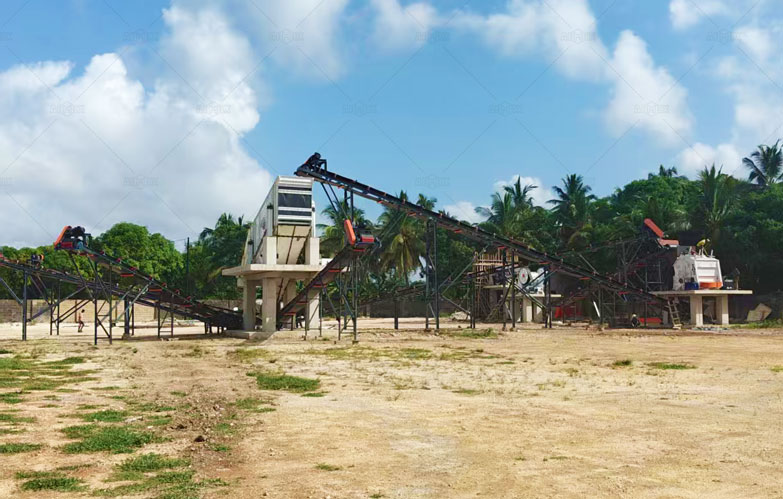
The aggregate market is constantly evolving, with new environmental regulations and shifting construction trends. To remain competitive, your aggregate crusher plant must be adaptable. Investing in modular designs or a versatile mobile stone crusher allows you to scale your production up or down depending on the current contract requirements.
By prioritizing energy efficiency and choosing a high-performance cone crusher that can handle various rock types, you protect your business against future market volatility. Ultimately, the most suitable equipment is the one that balances brute strength with mechanical precision, allowing you to deliver the right product, at the right price, every time. Success in the quarrying industry is built on the reliability of your machinery; make your selection based on long-term value and operational harmony.