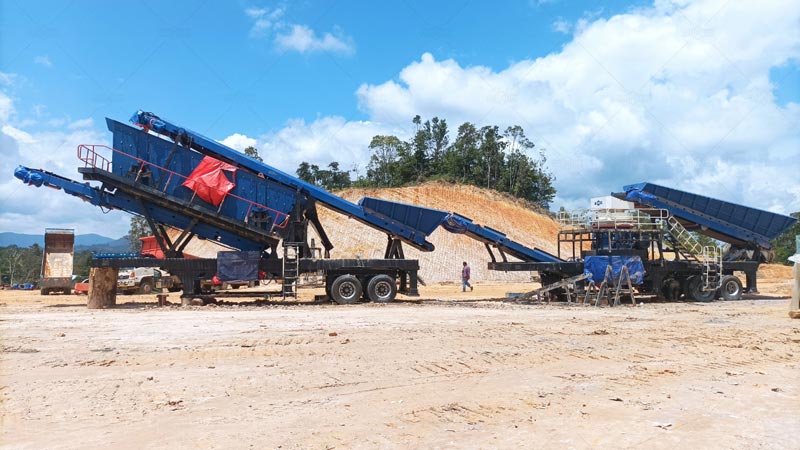
The mining and aggregate industry in Latin America is increasingly relying on mobile stone crusher plants to optimize on-site production and improve operational efficiency. However, the effectiveness of such plants depends not only on the equipment itself but also on the competency and coordination of the engineering team operating them. Building a composite engineering team—capable of handling mobile operations, troubleshooting, and optimizing workflows—can significantly enhance plant performance, reduce downtime, and ensure consistent output. Whether managing an aggregate plant or evaluating stone crushers for sale, creating a team aligned with mobile operations is crucial for operational success.
A composite engineering team combines multiple skill sets to address the diverse challenges of running mobile stone crusher plants(planta móvil de trituración). Unlike stationary facilities, mobile plants require expertise in mechanical systems, electrical control, site logistics, and material processing.
Operating a mobile stone crusher plant involves not just crushing and screening but also site setup, relocation, and adapting to varying material properties. A skilled engineering team ensures smooth deployment, efficient material flow, and minimal operational delays.
A composite team coordinates the operation of all components within an aggregate plant. From jaw crushers to conveyors and screening systems, the team monitors performance, identifies bottlenecks, and maintains optimal production schedules.
Mechanical engineers and technicians focus on the maintenance and troubleshooting of crushers, conveyors, and other moving parts. Their expertise ensures that jaw crushers and other components operate at peak efficiency and that wear parts are replaced before failures occur.
Modern mobile stone crusher plants often include automated weighing, water dosing, and digital control systems. Electrical specialists manage power supply, control panels, and sensors to maintain consistent production and prevent downtime.
Material flow is a critical factor in plant productivity. Coordinators manage the positioning of conveyors, stockpiles, and feeding systems to maximize throughput and ensure that crushed aggregates meet project specifications.
Safety is paramount in mobile operations. Dedicated personnel monitor compliance with occupational safety regulations, supervise training, and ensure that all team members follow proper procedures when operating the aggregate plant(planta de agregados).
A composite engineering team should include members with varied expertise: mechanical, electrical, operational, and logistical. Combining these skills ensures that mobile stone crusher plant operations run efficiently across all functions.
Even experienced operators may not be familiar with the unique demands of mobile plants. Training programs should cover setup procedures, safe relocation, operational optimization, and troubleshooting techniques for all equipment types, including jaw crushers and screening units.
Effective operation of a mobile aggregate plant requires constant communication. Team members must share observations about equipment performance, material flow, and potential issues. Structured reporting and collaborative problem-solving help maintain uptime and consistent output quality.
Assigning team members to routine inspections of the mobile stone crusher plant reduces unplanned downtime. Regular checks on crushers, conveyors, and control systems help identify wear or malfunctions early, ensuring smooth production.
Team leaders should develop flexible operational schedules that account for variable material input, project deadlines, and site conditions. Adjusting work shifts, machine assignments, and site setup allows the team to respond to changing circumstances without compromising productivity.
Monitoring performance metrics such as crusher throughput, material size distribution, and fuel consumption enables the team to optimize operations. Analyzing trends helps identify inefficiencies and informs decisions regarding equipment adjustments or process changes.
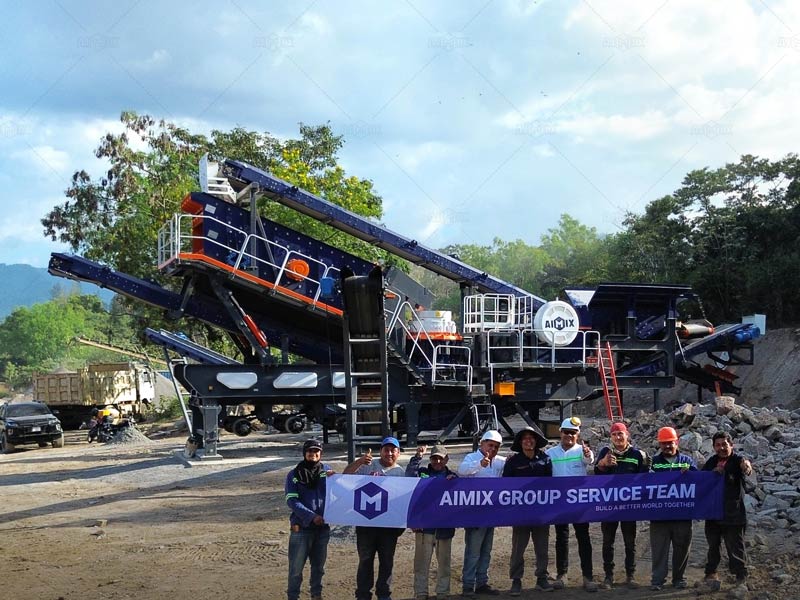
When purchasing new equipment, such as stone crushers for sale(vendo trituradora de piedras), it is essential that the engineering team is involved in evaluating the machine, understanding its operational parameters, and implementing it effectively within the aggregate plant. Early engagement ensures proper installation, faster commissioning, and smoother integration into existing workflows.
Introducing a new jaw crusher or screening unit requires specialized training. The team should be familiar with setup, operation, and preventive maintenance procedures to maximize equipment uptime and extend service life.
Encouraging a culture of continuous improvement allows the team to propose enhancements in workflow, maintenance practices, and safety measures. Regular review sessions promote knowledge sharing and help adapt the team to evolving operational requirements.
A well-structured team reduces equipment downtime and optimizes material flow, enabling the mobile stone crusher plant to operate at full capacity.
With specialized personnel overseeing crushing, screening, and material handling, output quality remains consistent, which is essential for meeting construction specifications.
By combining maintenance, operations, and logistics expertise, a composite team minimizes unnecessary resource consumption, reduces repair costs, and enhances overall plant efficiency.
Building a composite engineering team for mobile crushing operations is critical for mines and aggregate producers in Latin America. By integrating mechanical, electrical, logistical, and safety expertise, training personnel for mobile environments, and fostering strong communication, companies can maximize uptime, maintain consistent production, and effectively operate their aggregate plant. Evaluating stone crushers for sale and aligning equipment selection with team capabilities ensures that the mobile stone crusher plant delivers both operational flexibility and high productivity.