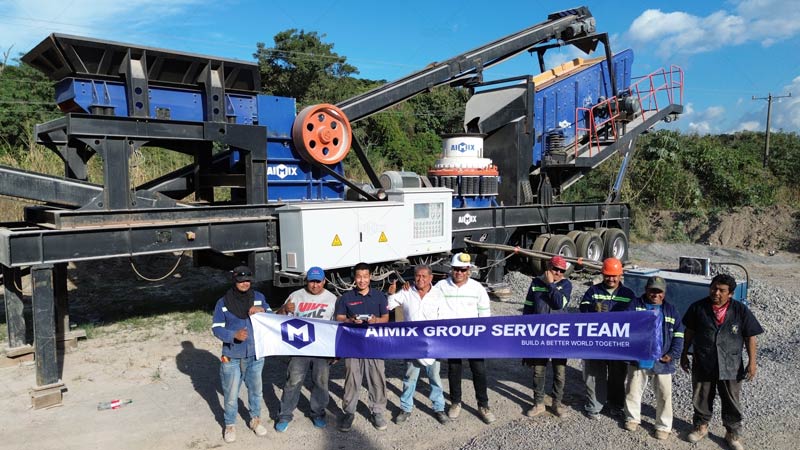
In the dynamic and diverse landscape of Latin America's construction, mining, and aggregate sectors, equipment purchasing decisions are rarely based on specifications alone. The true choice hinges on perceived value—a complex equation weighing immediate cost against long-term operational, financial, and strategic benefits. For producers of sand, gravel, and crushed stone, the shift towards mobile crushing solutions represents a significant strategic investment. The core question is: how is the differentiated value of a modern mobile stone crusher perceived by decision-makers across the region? Beyond the obvious attribute of portability, the value proposition is multifaceted, deeply intertwined with local market challenges such as fragmented project sites, infrastructure limitations, and the pressing need for faster return on investment. Understanding this perception is key for both suppliers offering solutions and contractors seeking a competitive edge.
The value of a mobile crushing plant is perceived through several distinct yet interconnected lenses. It is not seen merely as a piece of machinery, but as a flexible production system that addresses specific pain points.
In Latin America, where projects can range from large-scale mining in the Andes to urban infrastructure in mega-cities and rural road development, the ability to adapt is priceless. A mobile stone crusher(trituradora movil de piedra) is perceived as a versatile asset that can be deployed on a short-term contract for a highway project and then quickly relocated to a remote quarry site. This flexibility reduces the risk of capital being tied up in a fixed location. Decision-makers value the capability to follow the resource or the project phase, processing material directly at the face to eliminate costly middle-mile trucking of raw feed. This translates to direct control over the production schedule and a powerful tool for bidding on diverse, geographically scattered projects.
While the initial capital outlay for a high-quality mobile setup can be significant, the market increasingly perceives its value through the lens of Total Cost of Ownership. Savvy buyers calculate beyond the invoice price. The economic value is realized through:
The Latin American context adds unique layers to how value is assessed, making mobility not just a convenience but often a necessity.
In regions with underdeveloped road networks or restrictive bridge weight limits, transporting heavy equipment or large volumes of raw material is a major hurdle. The self-propelled nature of a tracked mobile stone crusher allows it to navigate rough terrain and position itself optimally, a feat impossible for static plants. Furthermore, for projects in sensitive ecological areas or densely populated urban zones, the ability to quickly move the plant for environmental compliance or community relations is a value point that transcends pure economics. It is perceived as a tool for sustainable and socially responsible operation.
The continent is rich in smaller, scattered aggregate deposits that are economically unviable for a large fixed plant due to high setup costs and limited reserve life. A mobile plant unlocks these resources. Its value is perceived as enabling entrepreneurship and local development by allowing smaller contractors or community cooperatives to exploit local materials for local projects. This democratizes access to aggregate production, a significant factor in regional development.
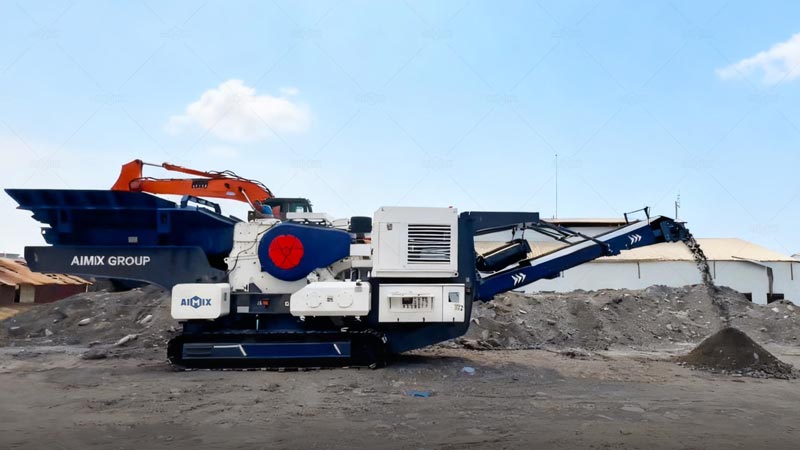
The perception of value is rapidly evolving from pure mechanical robustness to include smart technology integration. A modern mobile stone crusher is no longer just a crusher on wheels; it is a connected data hub.
Features like remote monitoring, automated process control, and advanced telematics are increasingly valued. They translate into:
Perhaps one of the most critical components of perceived value in Latin America is the strength of the manufacturer's or distributor's local presence. A premium mobile stone crusher is only as good as the service behind it. Value is heavily attributed to:
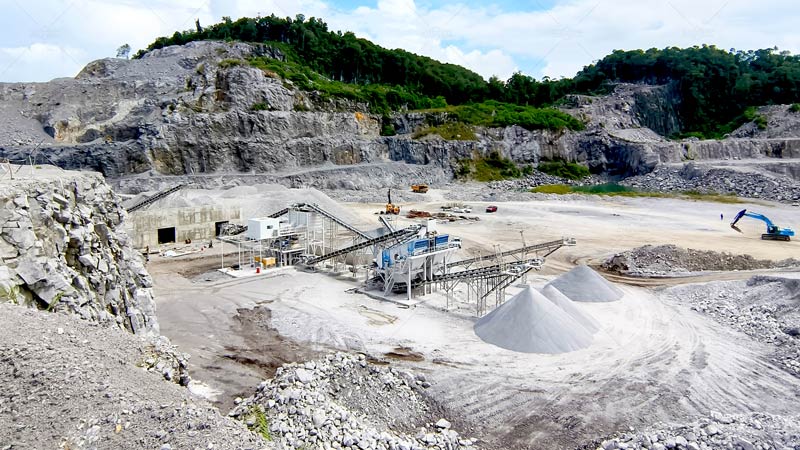
The differentiated value of mobile crushing plants in Latin America is ultimately perceived as a strategic enabler. It is the answer to a market defined by volatility, geographic complexity, and intense cost pressure. For the contractor, it is perceived as a tool for business agility and risk mitigation—allowing them to say "yes" to more projects with confidence. For the quarry owner, it is a means to extend the life of reserves and enter new market niches.
This perception is shifting the mobile crusher from a niche or supplementary piece of equipment to a central, strategic asset in the aggregate production chain. The value is no longer questioned in terms of "if" it exists, but rather measured in terms of "how much" it can improve resilience, profitability, and growth in a challenging but opportunity-rich market. Companies that successfully align their offerings with this holistic value perception, emphasizing not just the machine's mobility but its role as a integrated, intelligent, and supported production solution, will be best positioned to succeed. The future belongs to those who see the mobile stone crusher not as a cost, but as a partner in building the region's infrastructure.