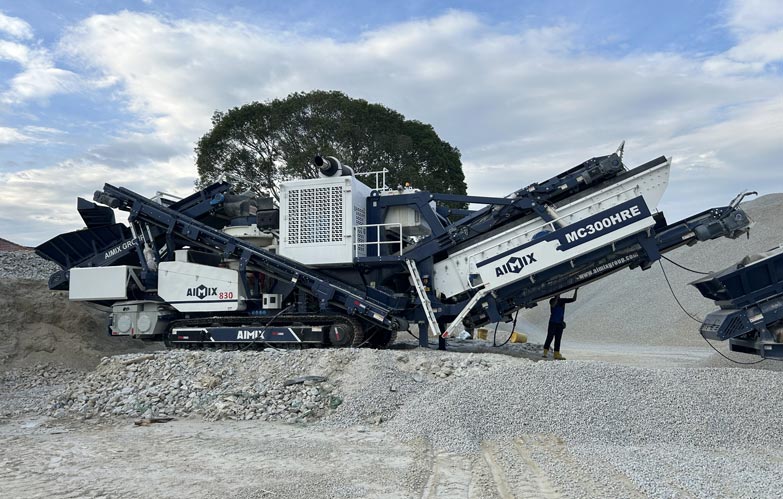
In the aggregate and mining industry, producing high-quality, well-graded stone is essential for construction, concrete, and road projects. A single-stage crushing process often cannot meet the strict requirements for particle size, shape, and consistency. Implementing a three-stage stone crushing plant process significantly enhances the quality of the final aggregate. This approach, commonly applied in both fixed stone crusher plant setups and mobile stone crusher operations, ensures more uniform gradation, reduced fines, and improved mechanical properties. Pebble crusher applications are also optimized within this multi-stage system to handle harder stones efficiently.
High-grade aggregates require precise control over particle size distribution and shape. In a typical stone crusher plant(planta de trituracion de piedra), a single crusher may produce unevenly sized material with a higher proportion of elongated or flaky particles. These characteristics can negatively affect concrete strength, asphalt performance, and overall construction durability.
A three-stage crushing process divides the material reduction into primary, secondary, and tertiary stages. Each stage is designed to optimize crushing efficiency, particle shape, and size uniformity. Mobile stone crusher solutions often incorporate this multi-stage design to allow flexible deployment on temporary projects or smaller quarries.
The primary crusher is responsible for reducing large rocks into manageable pieces. In a stone crusher plant, this stage typically uses a jaw crusher or a large impact crusher. Primary crushing sets the foundation for efficient secondary and tertiary processing by:
Pebble crusher units may also be used at this stage when dealing with harder rocks such as quartz or river pebbles, providing additional impact to achieve uniform size reduction.
The secondary stage further refines material from the primary crusher. Cone crushers, impact crushers, or roll crushers are often used at this stage, depending on the aggregate type. Secondary crushing focuses on:
Mobile stone crusher(trituradora movil de piedra) units in this stage allow operators to adjust crushing parameters quickly to match the changing quality of feed material or site requirements. This adaptability ensures consistent aggregate grading across various projects.
Tertiary crushing is designed for fine shaping and precision sizing. High-speed impact crushers or pebble crushers are commonly applied at this stage to:
This stage often includes screening units to separate particles according to size and quality, providing the flexibility to deliver multiple gradation products from the same plant.
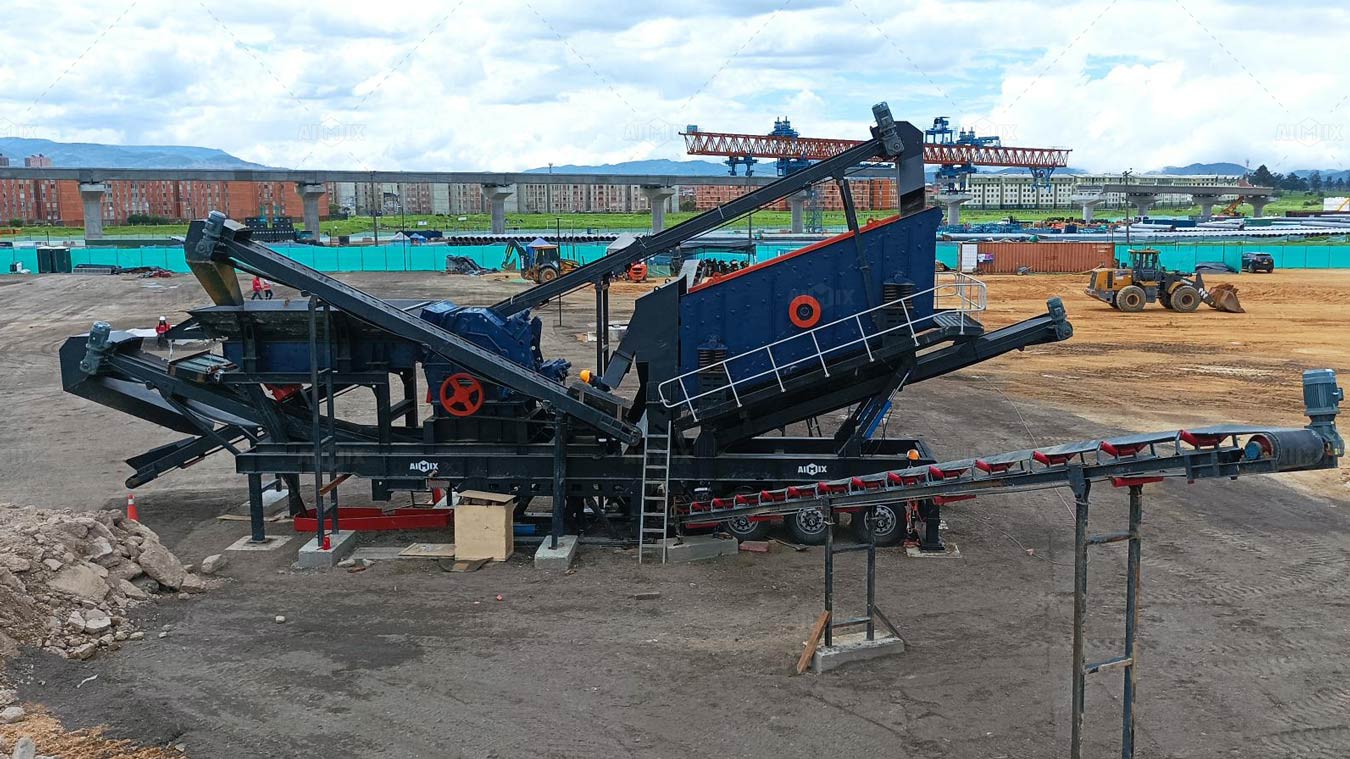
By progressively reducing rock size through three stages, operators can achieve a consistent and predictable particle size distribution. This uniformity improves compaction, reduces voids, and enhances mechanical strength in concrete or asphalt mixtures.
Tertiary crushing, particularly with pebble crusher(trituradora de piedra de río) technology, produces more cubical aggregates. Cubical particles interlock better in concrete and asphalt applications, resulting in higher durability and better load-bearing performance.
Multi-stage crushing minimizes excessive fines, which can negatively affect workability and bonding in concrete mixes. A well-designed stone crusher plant ensures that material flow is efficient, minimizing material loss and maintaining overall production yield.
Choosing the right combination of primary, secondary, and tertiary crushers is essential. Mobile stone crusher units can be integrated for smaller projects or temporary installations, while fixed stone crusher plants serve high-capacity quarries efficiently. Pebble crusher applications should be matched to material hardness and project requirements for optimal performance.
Monitoring feed size, crusher settings, and conveyor flow ensures that each stage operates efficiently. Automated control systems in modern stone crusher plants can adjust speed, gap settings, and load distribution, improving overall plant efficiency and aggregate quality.
Regular inspection and replacement of wear parts, especially in tertiary crushers and pebble crusher units, help maintain consistent particle shape and production capacity. Ensuring proper lubrication, alignment, and balance minimizes downtime and prolongs equipment lifespan.
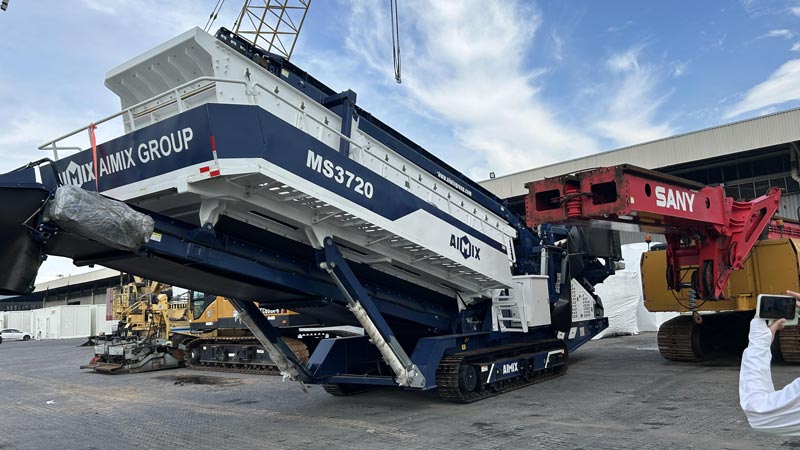
A three-stage stone crushing plant process is the key to producing high-quality, well-graded aggregates for construction and infrastructure projects. By combining primary, secondary, and tertiary crushing stages—along with pebble crusher integration—operators can optimize particle size, shape, and uniformity. Whether in a fixed stone crusher plant or a mobile stone crusher setup, this method improves aggregate performance, reduces waste, and enhances operational efficiency. Implementing a well-planned multi-stage process ensures that every batch of stone meets the strict standards demanded by modern construction and infrastructure projects.